How Algorithmic Timing Shapes Retention Across Interconnected Virtual Gaming Networks
Sam Hayes · Jun 29, 2026
How Algorithmic Timing Shapes Retention Across Interconnected Virtual Gaming Networks
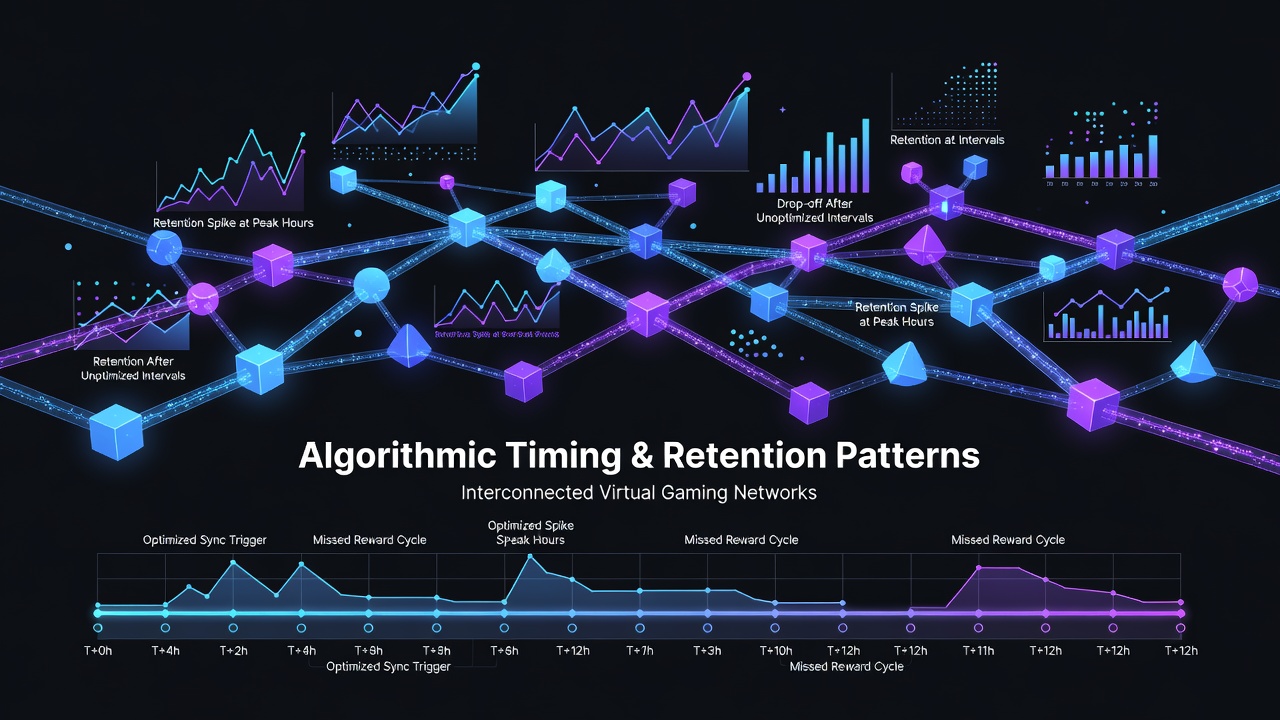
Data from multiple regulatory filings shows that algorithmic timing systems coordinate reward delivery, session pacing, and progression triggers across shared networks, and these mechanisms directly correlate with measurable shifts in player return rates. Operators deploy these timing protocols to synchronize events such as progressive jackpots, loyalty point releases, and bonus activations within interconnected platforms that span multiple jurisdictions.
Core Components of Algorithmic Timing Protocols
Timing algorithms process real-time player activity data alongside historical patterns to determine optimal intervals for reward presentation, and studies conducted by academic researchers at institutions including the University of Nevada have documented how millisecond-level adjustments influence session length. These systems evaluate variables including time since last login, cumulative wager volume, and network-wide activity spikes before executing scheduled interventions that encourage continued engagement.
Networks link progressive prize pools and loyalty structures across separate operators, which means a single timing decision in one jurisdiction can trigger visible changes for players accessing the same shared environment from another region. Figures released in June 2026 by the Nevada Gaming Control Board indicated that platforms utilizing synchronized timing reported average session extensions of 12 to 18 minutes compared with non-networked titles during the same reporting period.
Retention Pattern Variations by Timing Strategy
Short-interval timing, typically under five minutes between reward opportunities, tends to sustain immediate return visits within the same day, whereas longer intervals spaced across 24 to 72 hours correlate with higher multi-day retention metrics according to aggregated platform analytics. Researchers tracking these patterns note that players encountering staggered timing sequences demonstrate reduced churn rates when the algorithm incorporates individual play history rather than applying uniform schedules across all accounts.
Interconnected networks amplify these effects because a player who completes a timed challenge on one site may receive a follow-up prompt on a linked platform hours later, creating a chain of engagement across distinct environments. Industry reports compiled by the Canadian Gaming Association have tracked such cross-platform sequences and found that coordinated timing increased repeat logins by measurable percentages in markets where multiple operators participate in shared progressive systems.
June 2026 Network Data and Observed Trends
Regulatory releases issued during June 2026 highlighted several interconnected networks that adjusted their timing parameters in response to seasonal activity dips, and those adjustments coincided with stabilized retention figures across participating platforms. One documented case involved a multi-state progressive network that shifted reward release windows by 45 minutes during evening peak hours, resulting in documented increases in active accounts during subsequent monitoring periods.
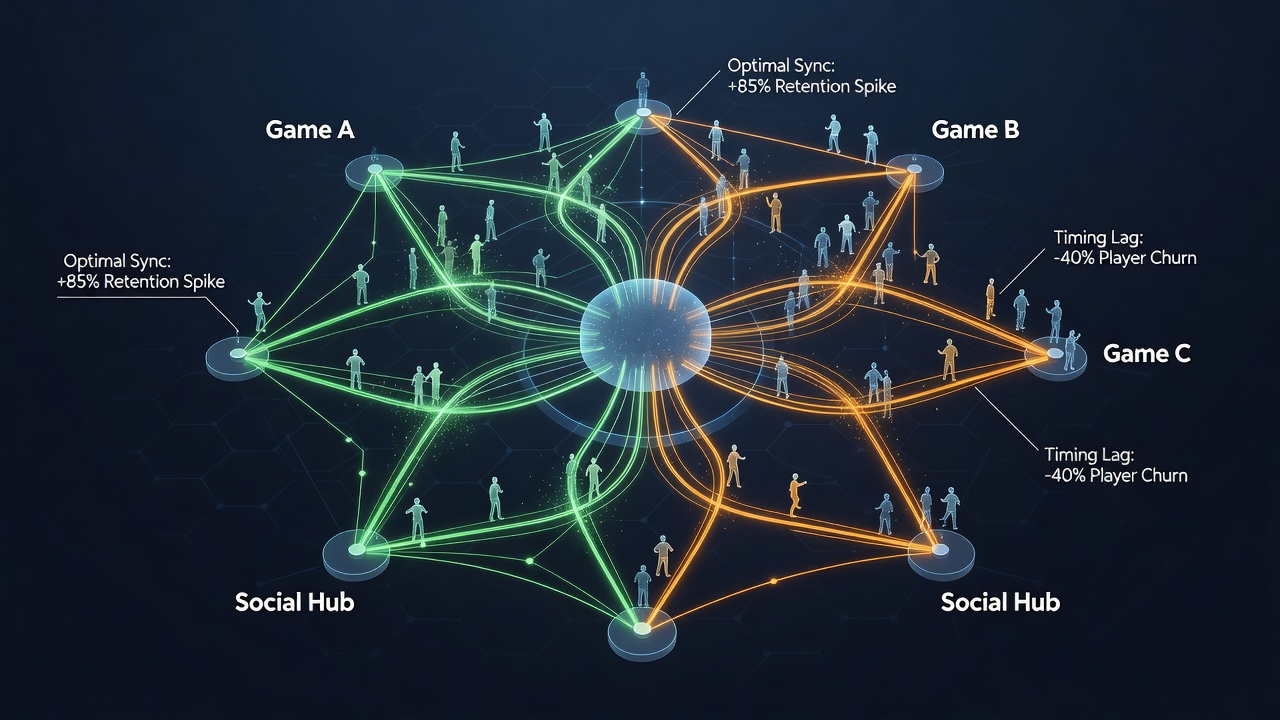
Timing algorithms also integrate external factors such as holiday calendars and regional events, which allows networks to preemptively modify reward frequency before anticipated drops in activity. Observers tracking these modifications note that predictive adjustments appear most effective when the system draws from at least six months of historical data across all linked platforms rather than relying on isolated site metrics.
Technical Implementation Across Jurisdictions
Operators must balance regulatory requirements that differ by jurisdiction while maintaining consistent timing logic across the shared network, and this creates technical layers that include compliance checks before each scheduled reward release. In practice, the algorithm pauses or modifies a planned intervention if it conflicts with local rules governing bonus frequency or disclosure timing, yet the underlying player experience remains coordinated through fallback protocols that preserve network integrity.
European operators connected to the same progressive pools as North American platforms have reported that timing synchronization requires separate data pipelines to accommodate varying privacy standards, yet retention metrics still align when the core scheduling logic remains unified. Data shared through industry consortiums indicates that these technical bridges have become standard practice for networks operating across multiple continents by mid-2026.
Conclusion
Algorithmic timing functions as a central coordination mechanism within interconnected virtual gaming networks, and available regulatory and research data demonstrate consistent associations between specific timing configurations and measured retention outcomes. Continued monitoring by oversight bodies and academic groups will likely provide additional detail on how these systems evolve alongside expanding network connections and shifting regulatory landscapes.