Billionaire Proposals Target Major Las Vegas Casino Operators for Private Status
Yves Coleman · Jul 9, 2026

Billionaire Proposals Target Major Las Vegas Casino Operators for Private Status
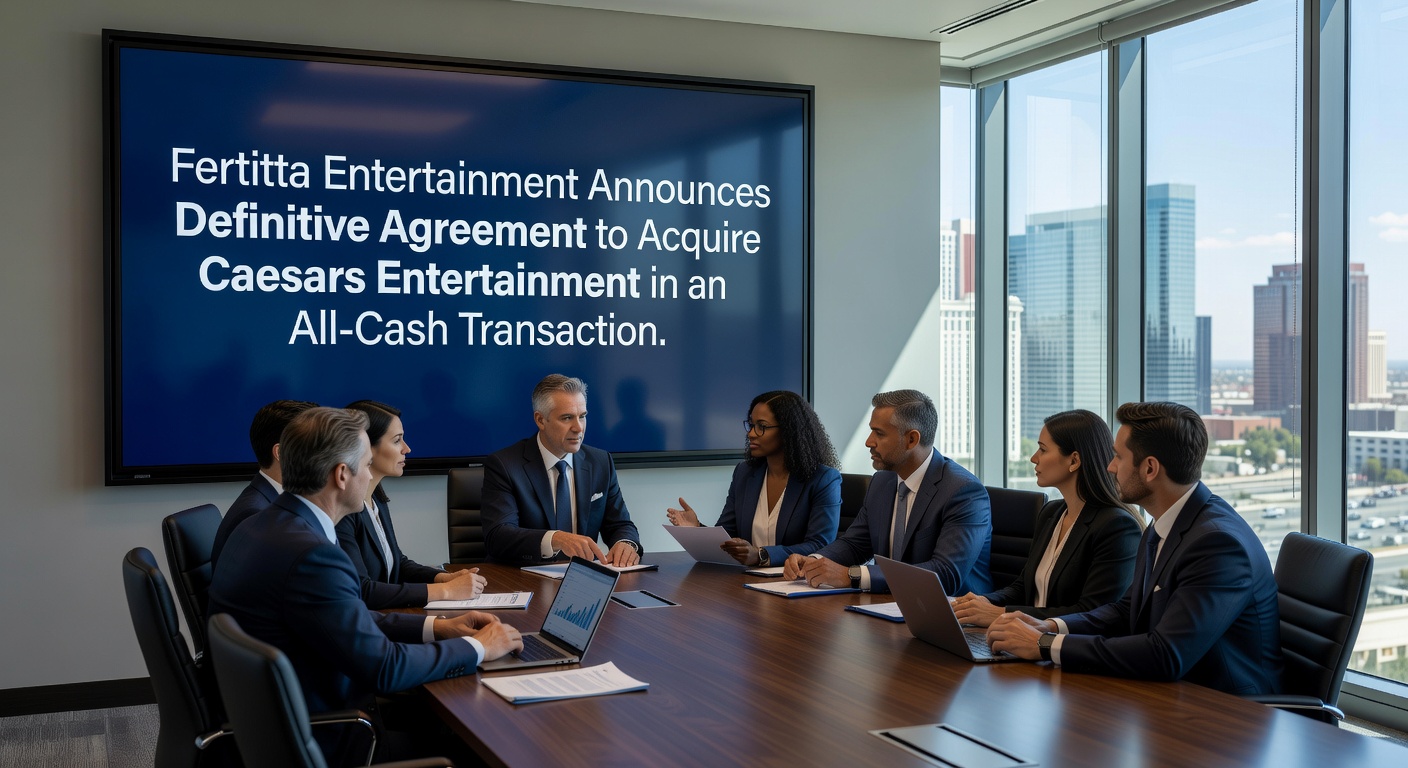
Recent developments in July 2026 highlight billionaire Tilman Fertitta's $17.6 billion offer to acquire Caesars Entertainment and take the company private, while media figure Barry Diller's People Inc. advanced an approximately $18 billion proposal for MGM Resorts International; both transactions involve leveraged buyouts that would remove these Strip operators from public market oversight amid moderating tourism and revenue patterns in Las Vegas.
These proposals arrive as operators navigate shifting visitor volumes and financial performance, with the deals structured to transition ownership away from shareholder pressures that accompany public listings. Fertitta's bid targets Caesars directly through his entertainment holdings, whereas Diller's entity focuses on MGM as a separate but parallel move in the same market segment.
Structure of the Proposed Transactions
Leveraged buyouts form the core mechanism here, relying on substantial debt financing to fund the purchases while shifting control to private entities; this approach allows the new owners to manage operations without quarterly earnings disclosures or stock price fluctuations that influence public companies. The offers remain conditional on completing due diligence processes that examine financial records, operational assets, and potential liabilities across casino properties on the Strip and beyond.
Regulatory approvals represent another critical hurdle, as gaming commissions in Nevada and other jurisdictions must review the ownership changes for compliance with licensing standards and background checks on the acquiring parties. These steps typically involve multiple agencies evaluating the financial stability of buyers and the continuity of gaming operations post-transaction.
Market Conditions Influencing the Bids
Data from Las Vegas indicates moderating tourism trends through mid-2026, with visitor arrivals and associated gaming revenues showing slower growth compared to prior periods; this environment has prompted some public operators to consider exits from Wall Street scrutiny that can amplify short-term performance expectations. The proposals from Fertitta and Diller position these billionaires to assume long-term control under private structures that prioritize strategic adjustments over immediate market reactions.
Both Caesars and MGM operate extensive portfolios that include multiple resorts, entertainment venues, and related services along the Strip, making the scale of these deals notable within the regional gaming sector. Completion would consolidate ownership patterns among private investors who have expressed confidence in the underlying fundamentals of Las Vegas despite recent revenue moderation.
Timeline and Procedural Requirements
Due diligence phases are expected to examine detailed asset valuations, debt obligations, and integration plans before any final agreements advance; these reviews often extend over several months and incorporate input from legal, financial, and industry specialists. Regulatory filings would follow, triggering reviews by bodies such as the Nevada Gaming Control Board that assess character, financial capacity, and operational fitness of proposed owners.
Observers note that similar past transactions in the gaming industry have required coordination across state and federal levels, particularly when leveraged financing introduces additional layers of debt service considerations. The current proposals include no immediate indications of financing sources or post-deal operational changes, leaving those elements for later clarification during approval processes.
Broader Sector Context
Publicly traded casino companies have faced varying degrees of investor attention tied to economic cycles and regional performance metrics, and the shift toward private ownership can insulate management from such dynamics. In this instance, the timing aligns with documented slowdowns in certain Las Vegas metrics, though the bidders have framed their interest around long-term potential in the destination market.
People Inc. under Diller and Fertitta Entertainment each bring distinct backgrounds to these pursuits, with one rooted in media and diversified holdings and the other in hospitality and gaming expansion. The parallel nature of the bids underscores separate strategies rather than a coordinated effort, as the targets remain distinct entities with independent shareholder bases.
Conclusion
The $17.6 billion Fertitta offer for Caesars and the roughly $18 billion People Inc. proposal for MGM stand as the central elements of this July 2026 development, each advancing leveraged buyouts subject to due diligence and regulatory clearance. These moves would transition two prominent public operators into private hands, aligning with efforts to navigate current Las Vegas tourism and revenue conditions outside traditional market oversight. Further details on financing, approvals, and closing timelines will emerge as the processes unfold through established channels.